Safety & Fraud

Keeping Your
Money Safe
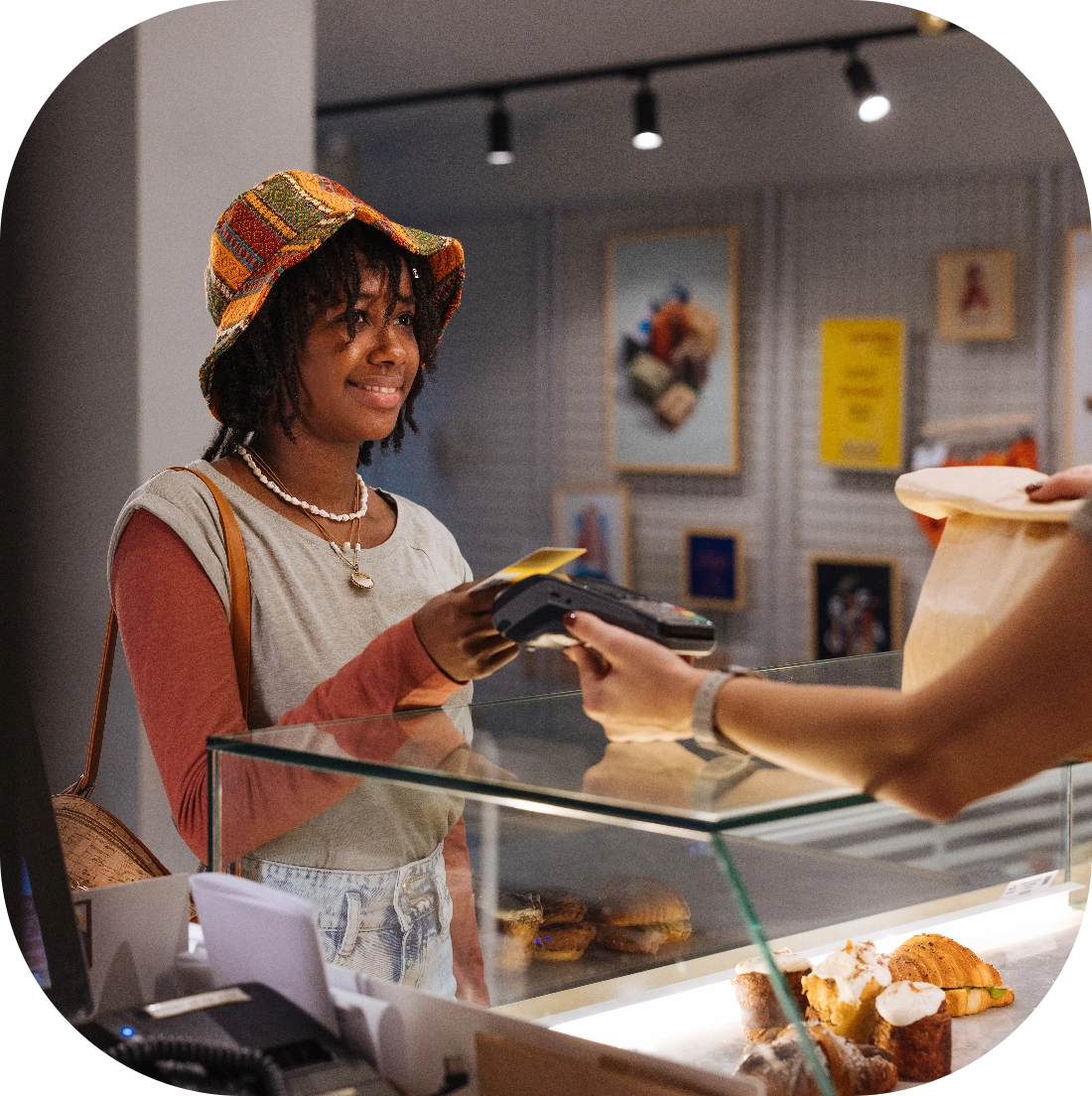
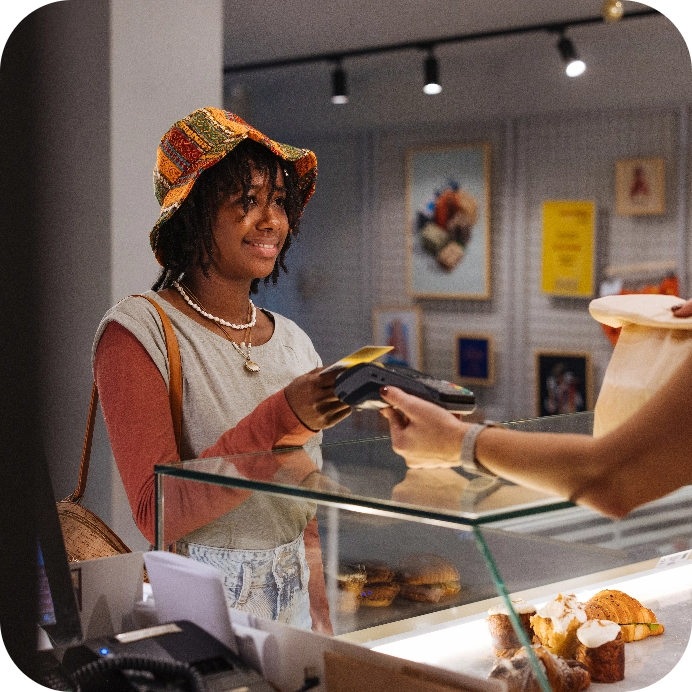
Money safety sounds boring—until your cash suddenly disappears. Some scammers are getting smart, but you’re smarter! You can protect yourself from fraud if you know a few basics.

Lost or Stolen Cards

Fraud Online

Passwords & Pins

Money & Friends

LESSON 1

Lost or Stolen Cards

Help! I Lost My Credit or Debit Card.

Almost everyone has misplaced their card at one point or another and had an instant freakout. It happens—but don’t panic. If you think your credit or debit card has been lost or stolen, here’s what you can do about it.

  • Freeze your card immediately through your bank’s app or call your bank ASAP.
  • Check recent transactions and flag anything suspicious.
  • Report your card as stolen or lost to your bank. They’ll send you a new card and reverse any unauthorized charges.
  • Update subscriptions and payments once your new card arrives.
Learn more about how to handle a lost card.

LESSON 1
LESSON 2
LESSON 2

Fraud Online

Protect Your Money Online and IRL

Even if you haven’t lost your physical credit or debit card, bad actors can still get ahold of your account information and try to use your card online or create a duplicate card.

Banks like First Security Bank monitor your account for suspicious activity and will freeze it if they spot any strange transactions. But keeping an eye on your own transactions through your bank’s app or website, like Card Suite Lite, is a good way to keep your money safe.

Did You Know?
Scams are everywhere online—and AI is making them harder to spot. Be cautious as you scroll. Most importantly, never give out your bank account information or credit/debit card number unless you can verify the source asking for it is legitimate.
LESSON 3

Passwords & Pins

Strong Passwords Do Heavy Lifting for Account Security

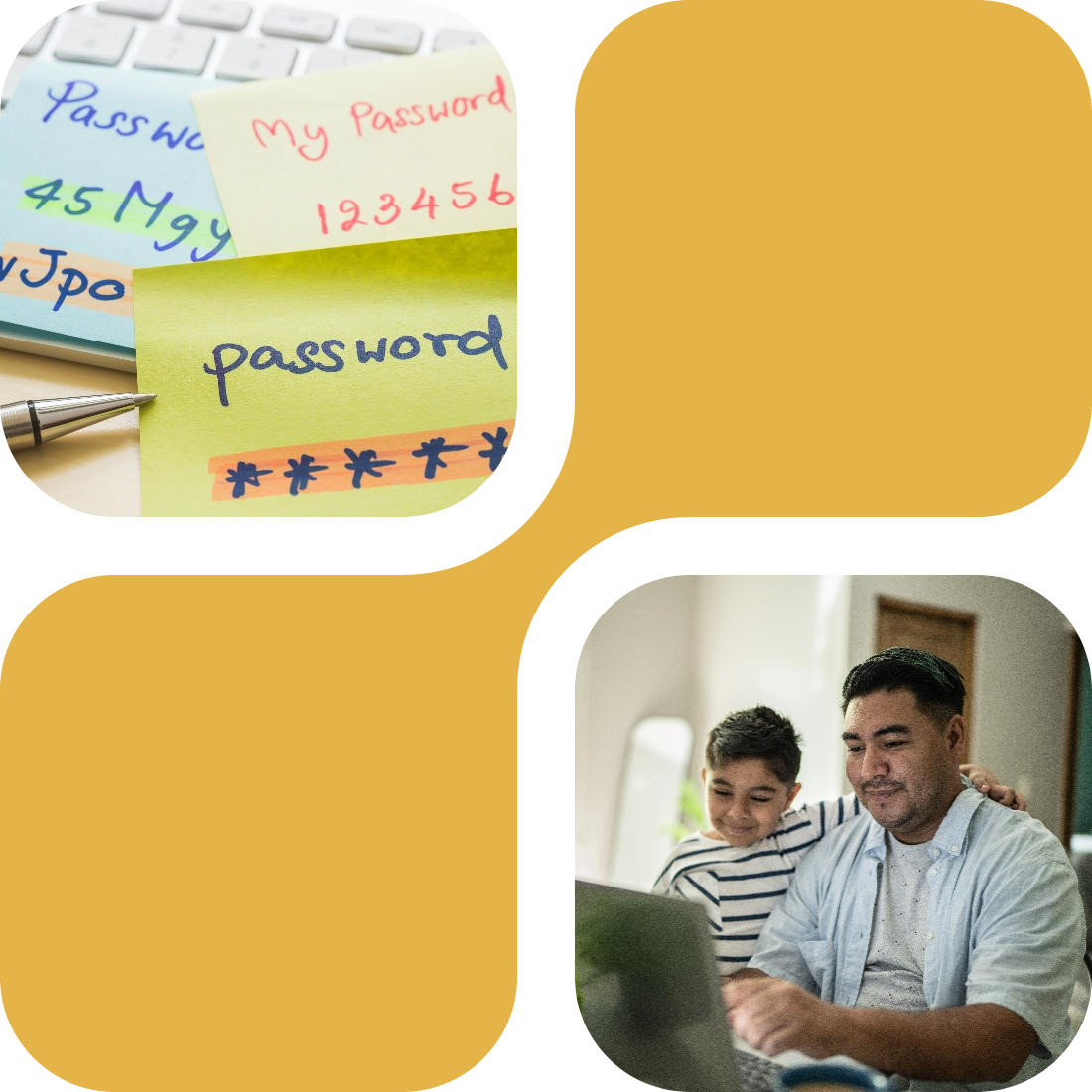
Like social media apps, your bank and credit lenders will require you to secure your account with a password or pin number. And the number one rule for password security? Don’t use “password123,” “1234,” or something similar—or any life detail someone could easily find in your posts.

Here are some tips for creating strong bank passwords:

  • Use at least 12 characters, mixing numbers, symbols, and letters.
  • Never use personal info (like birthdays or your pet’s name).
  • Consider using a password manager to create and remember super-secure passwords.
  • Don’t keep passwords and pins on a sticky note by your computer or attached to your card.
  • Enable two-factor authentication (2FA) for extra security.

And a few more for rock-solid pin numbers:

  • Avoid predictable numbers like your birthday, address, or “1234.”
  • Choose random numbers and memorize them.
  • Never write your pin down or store it with your card.
  • Don’t share your pin—even with friends or family.
  • Change your pin regularly (about once a year is ideal).
Let’s practice creating a strong password.
LESSON 3
LESSON 4
LESSON 4

Money & Friends

Keep Your Friends Close and Your Cards Closer

It’s tempting to lend your card to a friend. You know them. You trust them. But should you? It may seem perfectly fine—but here’s why you should think twice.
  • When you hand over your card, you’re responsible for any charges made.
  • Your bank usually won’t cover fraud or misuse if you willingly gave someone your card.
  • If a friend needs cash urgently, consider transferring digitally via a secure app instead, so they can’t spend more than you give them.
Let’s see what you learned.
Start from the beginning:

Bank Accounts

Overdraft fees

An overdraft fee is a penalty for using more money than you have.

Interest rate

An interest rate for credit is the extra money you have to pay on top of what you borrowed. If you don’t pay your bill in full, credit card companies will charge you more than what you owe. The percentage can be different for each company.

FDIC

This is a group that helps keep your money safe if something goes wrong.

Secured credit card

A secured credit card is a type of credit card that lets you borrow money, but you have to deposit your own money first. If you pay your bill on time, you can get the deposit back.

ATM

An ATM is a machine where you can get cash or check your bank account balance without having to go to the bank.

Two-factor authentication

This is a way to keep your accounts safe. When you log in with your password, it sends a code to your phone or email to make sure it’s really you.

Card Suite Life

First Security Bank’s Card Suite Lite app lets you set spending limits, track card activity in real time, freeze or unfreeze your card instantly, and review alerts so you can spot suspicious activity early.

Credit Report

A credit report is a record that shows banks and lenders how responsible you are with borrowing and paying back money.

Credit Score

A credit score is a three-digit number that tells lenders how good you are with borrowed money. It helps them determine whether or not they can trust you to pay back what you owe.