

Credit Reports
Your Credit Report
Credit Score 101
Credit Factors
Why Credit Matters
Checking Your Credit
Good Credit Habits
Credit Score 101
What Do Credit Score
Numbers Actually Mean?
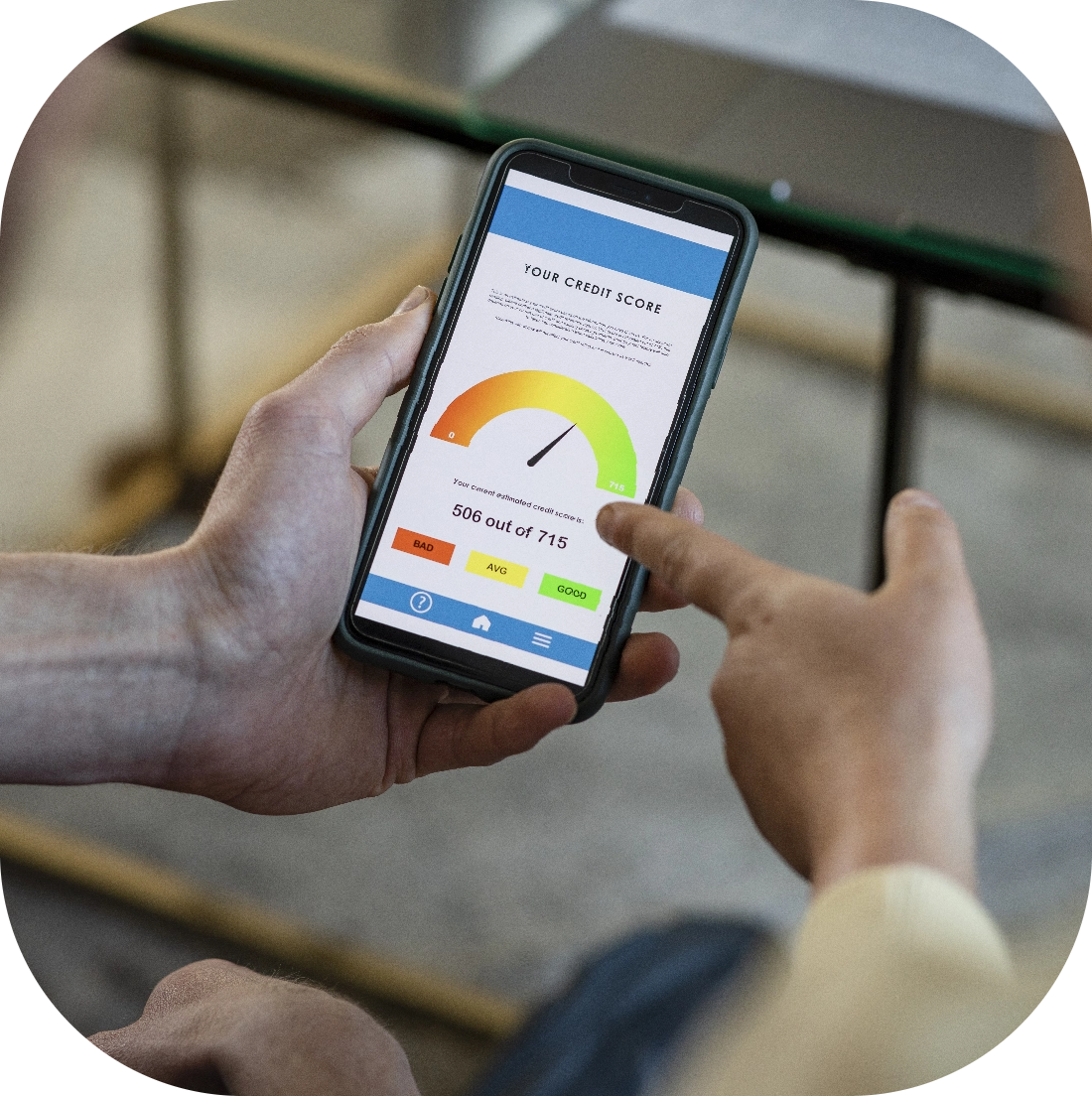
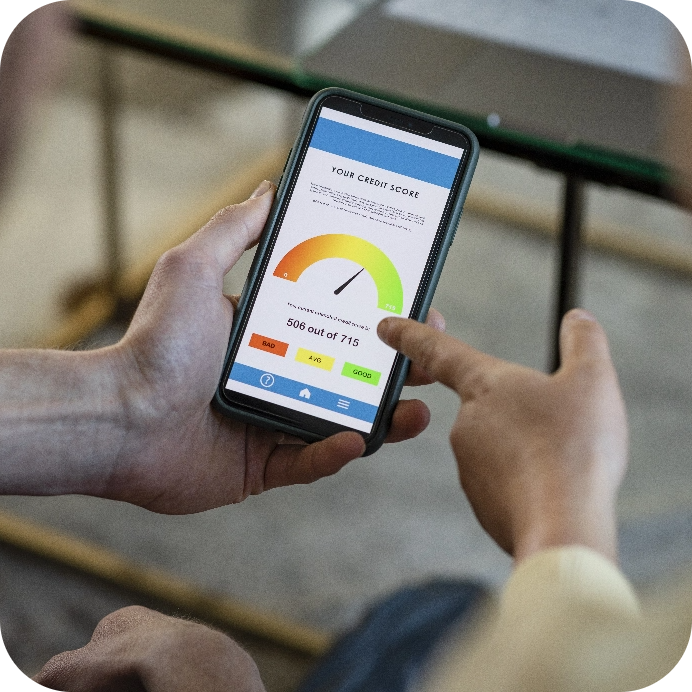
Your credit score is a three-digit number that sums up how well you handle borrowed money. It’s basically a shortcut lenders use to decide if they can trust you to pay back what you borrow.
Credit scores range from 300 to 850. The higher your score, the more financial doors will open to you in the future.
Let’s Keep Score
Click across the number line to learn what different scores mean – from not-so-great to awesome!
Credit Factors
So Really, What Affects My Credit Score?
Your score is based on the info in your credit report. Even if you’re just starting out, good habits now can equal stronger credit later (and that’s important for your future financial health and buying power).
Here are the factors that matter most to your credit score:
- Payment history – Do you pay bills on time? This is huge!
- Credit usage – How much of your available credit are you using? 30% or less is ideal.
- Length of credit history – How long have your accounts been open? The longer, the better.
- New credit – Have you applied for credit recently? Too many new accounts can be a red flag.
- Credit mix – A healthy mix of account types (like credit cards + loans) helps.
See how your choices impact your credit score.


Why Credit Matters
If it’s My Credit, Who Else is Looking at it?
Your credit score and report can affect:
- Whether you get approved for a credit card or loan
- The interest rate you’ll pay (higher score = lower rate)
- If you get approved to rent an apartment
- Some job applications (especially in finance or security)
- Whether you can finance purchases you want (like a phone, game console, or car)
It pays to start learning about credit early—even before you “need” it. If you find your credit is not up to par, it’ll take some time to fix.
Checking Your Credit
Keeping Tabs on Your Credit
Did You Know?
File a dispute with the credit bureau that shows the error
Provide any documents or info that back you up
The bureau has 30 days to investigate



Good Credit Habits
Build That Credit (Even If You’re Just Starting Out)
Here are some ways to build good credit:
- Pay bills on time—every time
- Keep your balances low on credit cards
- Start with a secured credit card if you’re new to credit
- Become an authorized user on a trusted adult’s card
- Only apply for credit you actually need
Did You Know?
If you’ve made some missteps with credit (like missed payments, or maxed-out cards), it will temporarily hurt your credit score. But don’t worry, credit can be repaired with time, patience, and a few smart moves.
